Manual Software Testing
01Validate application functionality, business rules, permissions, workflows, and integrations to identify defects early and strengthen release readiness across complex software products.
Explore Manual Testing →
Forward Deployed
Engineering
Extend your team with engineers embedded in your workflows.
HIRE DEDICATED ENGINEERS
Need Help Choosing the
Right Service?
Share your idea, challenge, or requirement with our experts.
ASK EXPERTS
Planning an Industry-
Focused Product?
We'll help you define the right technology approach for your market and users.
TALK TO EXPERTS Want to Build
Something Similar?
Explore how we've built AI products, platforms, and digital solutions across real business use cases.
VIEW WORKManual QA Testing Services
Quokka Labs provides structured manual QA testing services that validate functional requirements, user workflows, business rules, integrations, usability, and cross-platform behavior through disciplined human-led testing.
Proven QA Engineering Services






Quokka Labs helps product and engineering teams validate complex applications through structured test design, exploratory assessment, cross-platform verification, and disciplined defect management across release cycles.
Projects Delivered
Years Engineering Excellence
Industries Served
Client Retention
 Manual QA Testing Services
 Our manual QA testing services combine structured validation, human-led exploration, regression assessment, usability evaluation, and targeted automation to strengthen software quality across complex release cycles.
Validate application functionality, business rules, permissions, workflows, and integrations to identify defects early and strengthen release readiness across complex software products.
Explore Manual Testing →Validate critical mobile app testing and web testing experiences across browsers, devices, operating systems, and configurations to reduce compatibility risks and maintain consistent product quality.
Explore Web Testing Automation →Protect established functionality during continuous change by systematically validating affected workflows, integrations, and dependencies before releases reach production environments.
Explore Mobile App Testing →Identify friction across critical user journeys, interfaces, navigation, accessibility, and interaction patterns to improve product experience and reduce adoption-impacting quality issues.
Explore Performance Testing →Assess business functionality, application logic, validations, permissions, data processing, and acceptance criteria to verify that software performs according to defined requirements.
Explore Functional Testing →Complement manual QA with targeted automation for repetitive validation, API testing, and regression workloads, increasing testing capacity, execution consistency, and coverage across accelerated release cycles.
Explore Targeted Test Automation →Unvalidated workflows, integrations, and edge conditions can expose costly quality gaps after deployment. Quokka Labs provides rigorous manual validation before release decisions are finalized.
Assess Your Release RiskExplore how Quokka Labs helps product and engineering leaders reduce release risk, validate critical workflows, uncover quality gaps, and strengthen software assurance through rigorous manual QA testing.
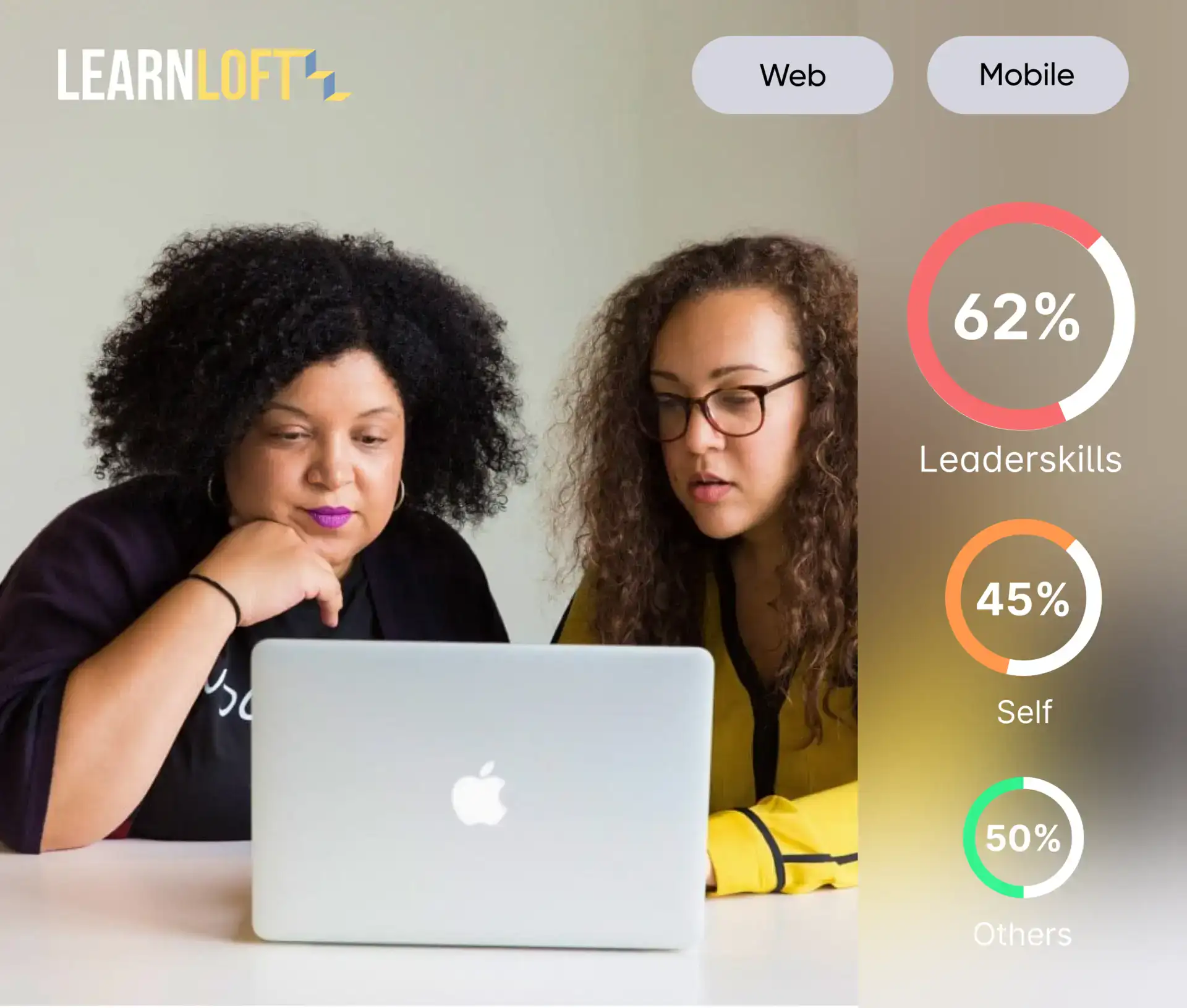
Quokka Labs validated leadership workflows across onboarding, assessments, dashboards, reporting, and feedback, helping ensure consistent functionality and reliable experiences across key learning and management journeys.
View Case Study
Quokka Labs tested interactive learning flows across onboarding, lessons, gamification, leaderboards, rewards, subscriptions, and in-app purchases to maintain consistent functionality throughout the learning experience.
View Case Study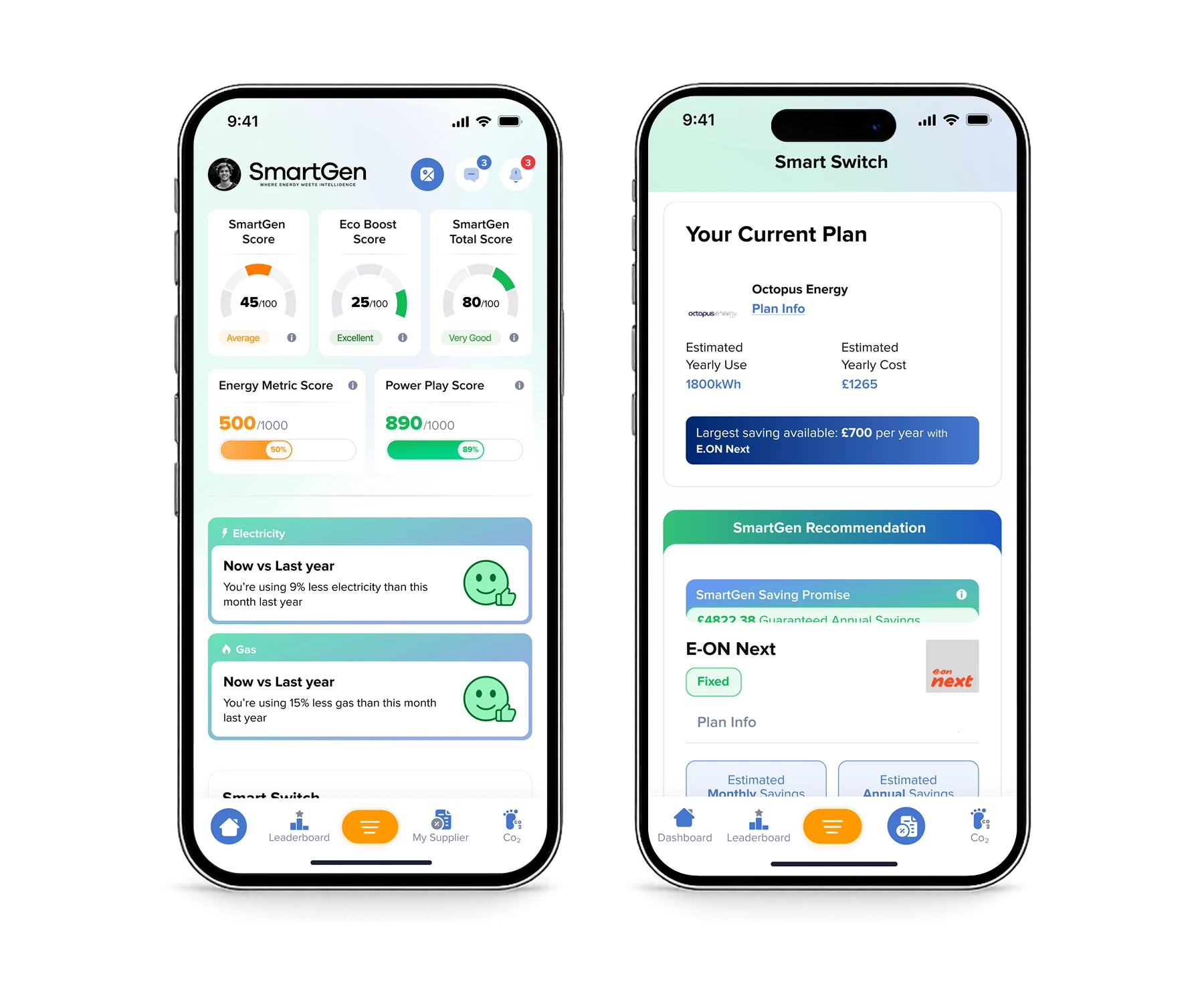
Quokka Labs validated smart-meter connectivity, energy insights, account flows, recommendations, and user journeys to maintain reliable functionality across a data-driven energy management experience.
Quokka Labs aligns manual QA testing with sector-specific workflows, data requirements, integrations, user roles, and compliance considerations to validate software across specialized operating environments.
Healthcare software demands precise validation across clinical workflows, interoperability, and protected health information, including EHR/EMR, FHIR/HL7, telehealth, RBAC, healthcare APIs, and HIPAA requirements.
Financial platforms require rigorous assessment of transaction integrity, payment workflows, KYC/AML controls, reconciliation, financial APIs, fraud controls, authorization, and PCI DSS requirements.
Learning platforms demand dependable assessment workflows covering LMS functionality, SIS integrations, virtual classrooms, grading, proctoring, content delivery, learner permissions, accessibility, and device compatibility.
PropTech platforms require thorough coverage of MLS integrations, property discovery, listing management, CRM workflows, document processing, geolocation, virtual tours, lead routing, and transaction management.
Digital commerce quality depends on seamless customer and transaction journeys spanning product catalogs, checkout, payment gateways, inventory, order management, refunds, fulfillment, and PCI DSS controls.
Multi-tenant products require careful examination of tenant isolation, subscription lifecycle, billing, SSO, RBAC, usage metering, API integrations, feature configuration, and browser compatibility.
Quokka Labs embeds security-aware testing controls, traceability, access governance, protected test data, and compliance-aligned validation into manual QA engagements.
Quokka Labs combines experienced QA professionals, structured test methodologies, domain-aware validation, and analytical defect assessment to strengthen software quality across complex release environments.
We adapt manual QA to your application architecture, business processes, user roles, release cadence, and quality requirements.
We use established QA platforms and diagnostic technologies to maintain traceable test execution, centralized defect intelligence, controlled evidence, and consistent validation across complex software delivery environments.
 Figma
Figma Quokka Labs applies a structured manual QA framework that connects risk assessment, test coverage, defect intelligence, regression validation, and release evidence with engineering governance.
Requirements, acceptance criteria, business rules, dependencies, and change areas are assessed to establish risk priorities and identify areas requiring deeper validation.
Test scope, coverage priorities, environments, data requirements, timelines, and execution criteria are defined according to product complexity, release objectives, and identified risks.
Business workflows are translated into structured scenarios covering functional behavior, edge conditions, integrations, permissions, negative paths, and realistic user journeys.
Planned scenarios are executed across relevant browsers, devices, platforms, configurations, and workflows, complemented by exploratory testing for unexpected application behavior.
Defects are assessed by severity, priority, impact, and reproducibility, followed by targeted retesting and regression coverage to verify fixes and contain recurring quality issues.
Test results, coverage levels, defect trends, unresolved issues, and residual risks are consolidated into quality evidence supporting release readiness and stakeholder sign-off.
Explore expert perspectives on manual testing, exploratory QA, risk-based coverage, defect prevention, cross-platform validation, test governance, and quality strategies that help engineering teams improve software reliability and release readiness.
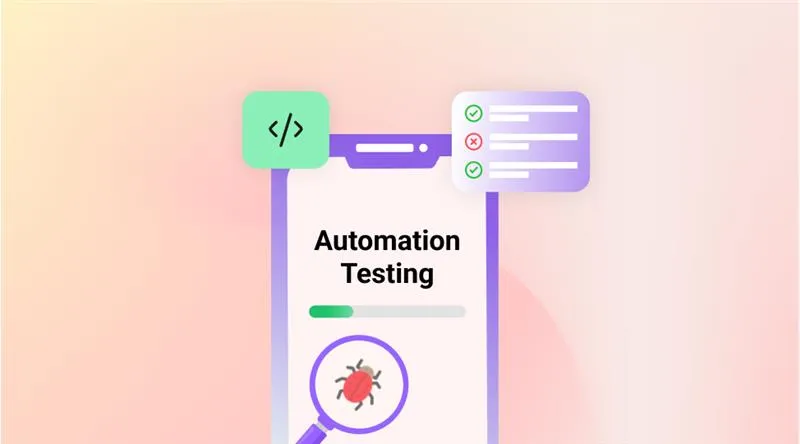
Mobile app automation testing in real production environments helps enterprises validate app behavior under real user traffic,...
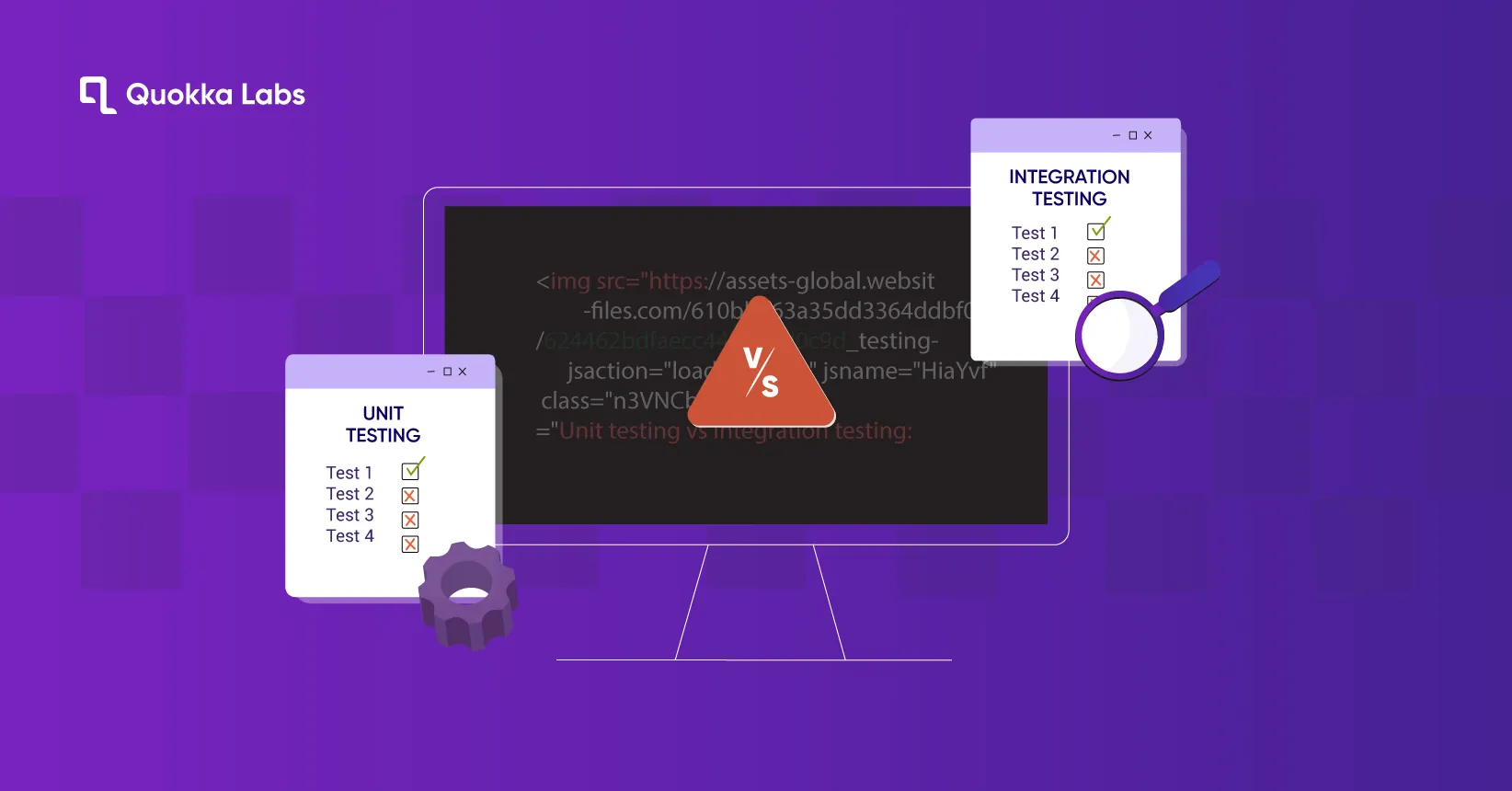
This blog provides an explanation of unit testing and integration testing, which are crucial parts of the software development....
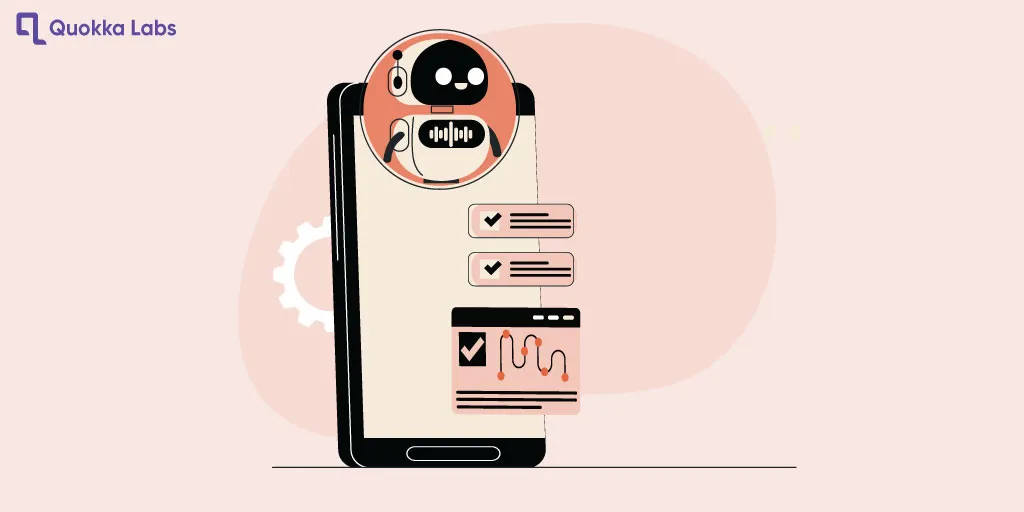
Artificial intelligence (AI) is transforming the field of quality assurance (QA), automating tasks, improving accuracy, and preventing defects...
Mobile app automation testing in real production environments helps enterprises validate app behavior under real user traffic, devices, and...
This blog provides an explanation of unit testing and integration testing, which are crucial parts of the software development....
Artificial intelligence (AI) is transforming the field of quality assurance (QA), automating tasks, improving accuracy, and preventing defects...
Whether validating a new product, stabilizing an existing application, or expanding testing capacity, Quokka Labs provides disciplined manual QA testing aligned with release requirements.
Response within 24 hours
Senior QA professionals review your application, testing scope, and validation requirements.
Manual QA Assessment
Receive actionable recommendations covering test scope, coverage gaps, regression needs, and testing priorities.
15+ years of Experience
Delivering QA testing services across digital products, SaaS platforms, mobile applications, and complex software environments.


Manual QA testing services use human-led validation to assess software functionality, workflows, business rules, usability, integrations, compatibility, and application behavior against defined requirements.
Manual testing is valuable for exploratory assessment, complex workflows, usability validation, rapidly changing functionality, visual verification, edge conditions, and scenarios requiring human judgment.
Manual testing relies on human execution and judgment, while automated testing uses software-driven execution; both approaches complement each other across different validation requirements.
We manually test web applications, mobile applications, SaaS platforms, APIs, business applications, cloud products, AI-enabled products, integrated systems, and specialized industry software.
Our process covers requirements analysis, test planning, test case design, test data preparation, environment validation, execution, defect reporting, retesting, regression, coverage assessment, and release evaluation.
We evaluate requirements coverage, defect escape rate, defect severity distribution, test execution progress, regression coverage, defect validity, test cycle time, and release readiness indicators.
Yes. Our QA engineering practices integrate with Agile workflows through story refinement, acceptance criteria analysis, sprint-level testing, continuous defect feedback, regression validation, and release-cycle testing.
We validate supported browser versions, operating systems, devices, resolutions, configurations, and user workflows using structured compatibility matrices and controlled execution environments.
Defects are documented with reproduction steps, expected and actual results, severity, priority, environment information, supporting evidence, ownership, status, and retesting outcomes.
Yes. QA teams can scale testing capacity based on release schedules, product complexity, coverage requirements, and project priorities while maintaining consistent processes, documentation, and quality standards.
UG Floor, Tower-4, Assotech Business Cresterra, Plot No.22, Sector-135, Noida, Uttar Pradesh, 201305
111 Congress Avenue Suite 500, Austin,
Texas - 78701
Jasmijnlaan 88, 1187 EL Amstelveen,
Netherlands