In today's constantly changing digital environment, staying ahead means keeping a finger on the pulse of New Technology Trends and top technology trends 2026 and beyond. The tech domain is a whirlwind of the latest technology in the world, from new technology examples like groundbreaking AI and ML advancements to the transformative potential of blockchain and IoT.
Technological advancement continues to shape how we live and work, influencing various industries and sectors. Picture a world where self-driving cars roam bustling streets, virtual reality blurs the lines of reality, and sustainability meets tech in inspiring ways.
Here, we’ll explore new technology examples, shedding light on the best tech trends in 2026 and reshaping our digital landscape. From artificial intelligence and blockchain to augmented reality and cybersecurity, we dive into the top new technologies driving change and shaping the future of digital transformation.
Are you ready to explore the tech trends of 2026 that are not just shaping the future, they're creating it? However, before that, let’s look at statistics on these new technology trends and trending technology news.
Current Technology Trends and Predictions
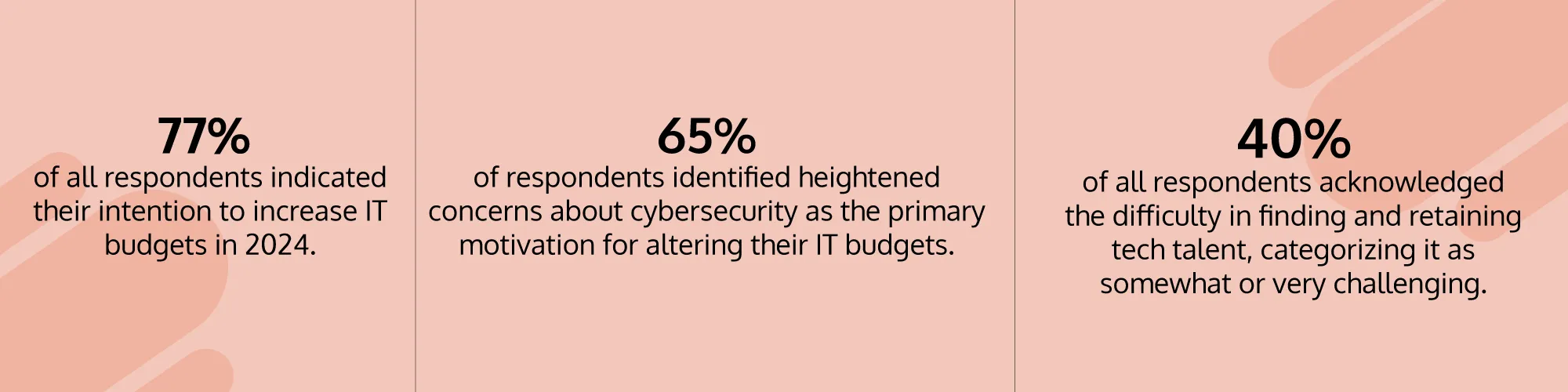
As technology evolves rapidly, the business world is at a crucial juncture. The RSM US MMBI special report highlights the pivotal role of digital transformation, emphasizing that it goes beyond sheer technological upgrades. Instead, the report suggests that digital transformation strategies have become imperative and can significantly change an organization's revolution.
The survey underscores that company leaders recognize the importance of embracing digital transformation services.
- AI emerges as a focal point of attention, capturing the interest of executives keenly aware of its potential to revolutionize business operations.
- Simultaneously, the report identifies a heightened emphasis on cybersecurity, indicating that concerns about digital threats are driving investments in technology.
- Worldwide IT spending is expected to total $5.43 trillion in 2025 (up 7.9% from 2024) and rise to $6.08 trillion in 2026 (up 9.8% from 2025). (Source: Gartner)
- A key theme for 2026 is the widespread adoption of generative AI across various industries and the necessary services to support this demand, alongside recent technology investments that strengthen resilience.
The report serves as a compass for navigating the transformative landscape of digital evolution within the middle market. It offers critical insights into business leaders' perspectives, challenges, and strategic decisions for success in a rapidly evolving technological era.
Future-Ready with New Technology Trends in 2026
Top 10 New Technology Trends 2026 You Need to Watch
1. Generative AI - New Technology
Generative AI, a latest technology trend in 2026, involves models that create new content based on training data such as text, images, and audio. It is revolutionizing fields like natural language processing, art, music, and healthcare by enabling human-like text generation of original artworks and accelerating drug discovery - clear new technology examples for teams modernizing digital products.
As businesses look to integrate AI into digital products, many are now partnering with a generative AI development service to build intelligent mobile and web applications powered by custom AI models.
Generative AI also powers personalized marketing, custom education, and immersive virtual experiences while raising ethical concerns around bias and misinformation. Its applications in automation enhance efficiency across industries, and its development requires interdisciplinary collaboration, making Generative AI a transformative force in technology and innovation.
2. Robotic Process Automation (RPA)
Robotic Process Automation (RPA) is a transformative trend in streamlining and automating repetitive tasks within businesses. It involves using software robots or "bots" to emulate human actions, interact with digital systems, and execute functions across various applications. RPA significantly reduces manual efforts, enhances accuracy, and accelerates processes in sectors such as finance, human resources, and customer service. This latest technology trend allows organizations to focus on higher-value tasks, improves operational efficiency, and enables seamless integration between legacy systems and modern applications. As RPA advances, it becomes integral to digital transformation strategies, offering businesses increased productivity and cost savings.
3. Data Science and Big Data Analytics
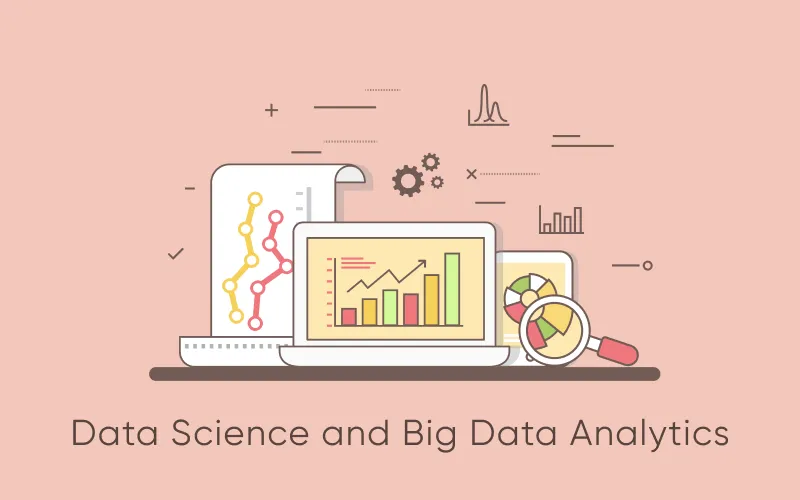
Data Science and Big Data Analytics are reshaping industries by harnessing vast amounts of data. Using cutting-edge tools like AI and machine learning, businesses extract crucial insights. This data-driven approach enhances decision-making, boosts efficiency, and fuels innovation across sectors. As organizations increasingly invest in these new emerging technologies, the ability to derive actionable intelligence from data becomes a key driver of success in the modern business world.
4. Digital Twin Technology
One of the latest technology trends 2026, Digital Twin Technology creates a virtual replica of physical objects, systems, or processes by capturing real-time data via IoT sensors for continuous feedback. This new technology enhances the digital world by enabling predictive maintenance, real-time monitoring, and optimized performance. It facilitates better decision-making, lifecycle management, and process optimization. Digital twins drive innovation and new business models across various industries, including manufacturing, healthcare, and smart cities, by simulating scenarios and improving operational efficiency.
5. Quantum Computing
Quantum computing, rooted in quantum mechanics, introduces a revolutionary approach to computation. It promises unparalleled computational power by simultaneously utilizing quantum bits (qubits) in multiple states. Advancements in this field are poised to transform industries - from drug discovery to cryptography - by solving complex problems at unprecedented speeds, adding more new technology examples to the innovation roadmap.
6. Artificial Intelligence and Machine Learning
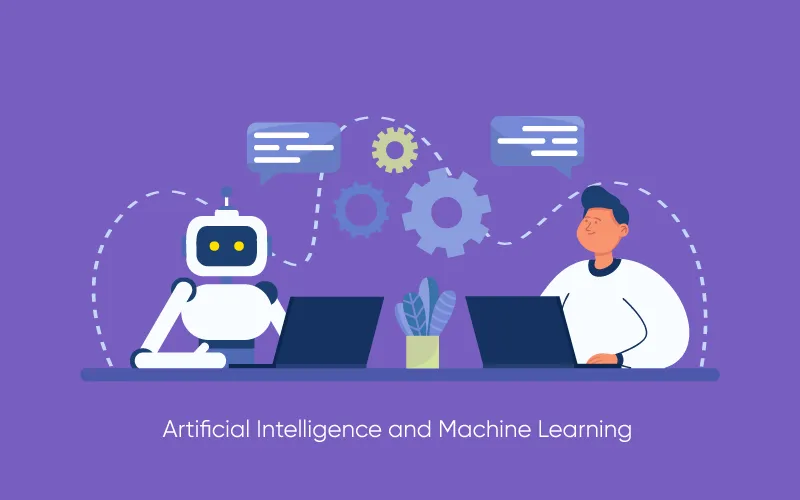
The current trends in information technology 2026 highlight AI ML development services. These advancements continue to redefine various industries, transforming business operations and enhancing our daily lives. These technologies are experiencing remarkable progress and are shaping a future where intelligent systems play pivotal roles in decision-making, automation, and problem-solving - key aspects of future technology trends.
7. Edge Computing
Edge computing decentralizes computing and storage closer to data sources like IoT devices. It helps reduce latency for real-time processing in applications such as autonomous vehicles and smart cities. Benefits include enhanced data security, privacy, and cost-effectiveness, although challenges remain in managing distributed networks of edge devices. Nevertheless, it signifies a pivotal shift, enabling efficiency and innovation across industries at the edge.
8. 5G Technology
One of the latest technology trends 2026 is 5G - a transformative force revolutionizing connectivity. Offering unprecedented speeds, remarkably reduced latency, and enhanced network reliability, 5G is reshaping the way we interact with technology. Its deployment across various sectors, such as software development, healthcare, manufacturing, entertainment, and transportation, unlocks new realms of possibility.
As 5G expands worldwide, it opens new frontiers in innovation, blending emerging trends in information technology with everyday digital experiences.
💡Suggesed Read: 5G Technology In Mobile Application Development
9. Blockchain Technology
Blockchain, a decentralized and secure ledger system, extends beyond cryptocurrencies and finds use in industries like healthcare and finance. Its tamper-resistant nature ensures data integrity and trust among users. Ongoing advancements promise innovations in digital identity, DeFi, NFTs, and sustainability. With scalability improvements, blockchain technology stands poised to revolutionize sectors and drive a more secure, decentralized future.
However, if you need to leverage Blockchain development services to enhance & secure your business operations, you are just a click away. Contact Us Today.
10. AI in Cybersecurity
Its among top 10 new technology trends, the cybersecurity. AI Security service is rapidly evolving with proactive measures like AI-driven solutions and zero-trust architecture. AI enhances threat detection, while zero-trust models enforce strict access controls. Biometric authentication adds another layer of security, minimizing unauthorized access. This trend underscores a shift toward preemptive strategies and multi-layered defenses to safeguard data and systems.
Other Top Latest Technology trends 2026 to Don't Miss
11. AR/VR
Latest technology trends 2026 combine AR/VR technologies at the forefront of immersive innovation. AR overlays digital information in the real world, enhancing everyday activities such as gaming, education, and retail, while VR transports users into entirely virtual environments for gaming, training, therapy, and more. With continuous advancements in hardware and software, AR and VR are becoming more accessible and are driving significant innovation across various sectors.
💡Suggested Read: AR VR in App Development - Overview
12. Internet of Things (IoT)
IoT continues to surge as a pivotal tech trend, interconnecting various devices and systems to enhance efficiency and convenience across multiple domains. The essence of IoT services lies in its ability to enable devices to communicate and exchange data, allowing for seamless integration and automation. IoT facilitates the creation of interconnected ecosystems—from smart homes and cities to industrial applications and healthcare.
It helps streamline operations, optimize resource usage, and improve decision-making through real-time data analysis. The ongoing advancements in IoT technology promise even greater connectivity, efficiency, and innovation, ensuring that top new technologies remain at the forefront.
13. Cloud Computing
Cloud computing services- the current technology trends in 2026. It dominates the technological landscape; its latest trend focuses on serverless computing. This evolution eliminates the need for managing infrastructure, allowing developers to focus solely on writing and deploying code. Serverless computing operates on a pay-as-you-go model, offering scalability and cost-efficiency by charging only for the resources used.
Moreover, it enables faster development cycles, enhances agility, and supports the creation of microservices-based architectures. This trend signifies a shift toward more streamlined and efficient software development & deployment processes within the cloud environment.
14. Natural Language Processing (NLP)
NLP, or Natural Language Processing software, revolutionizes how computers understand and use human language. It powers chatbots, translation tools, and voice recognition systems, enabling more natural interactions between humans and machines. Using advanced algorithms, NLP continues to evolve, enhancing language comprehension and enabling innovative applications across various fields.
Sustainable Technology
Sustainable technology transforms our world by focusing on renewable energy, reducing carbon footprints, and promoting environmental sustainability. Solar, wind, and hydropower innovations make renewable energy more efficient and accessible. Energy-efficient appliances and electric vehicles help minimize emissions, while smart home technologies optimize energy use. The circular economy, sustainable agriculture, and water conservation practices are vital for resource management and reducing waste.
15. Metaverse
The metaverse is among the top technology trends in 2026. It fuses virtual and physical realities to revolutionize digital interaction by combining elements of AR/VR, blockchain, AI, and customizable avatars to create immersive environments. Virtual economies thrive on cryptocurrencies and NFTs, while platforms like Roblox and Horizon Workrooms offer early glimpses into this future.
As tech giants like Meta (formerly Facebook), Google, and Apple invest heavily, the metaverse is set to transform our lives, making interactions more engaging and interconnected. Its evolution reflects the outlook of technology trends 2026 and beyond. innovation.
16. Biometric Technology
Biometric technology, which uses unique physical traits for identification, is advancing rapidly. It is transforming security measures across industries by providing secure and convenient authentication via fingerprints, facial recognition, iris scanning, and voice verification. Integrated into smartphones, banking, airports, and healthcare, biometrics streamline processes while enhancing security. With ongoing refinements, this new advanced technology is revolutionizing how we securely confirm identities in the digital era.
17. Human Augmentation
Human aug includes enhancing human capabilities by integrating advanced technologies. Evolving from prosthetics that emulate natural limb purposes to brain-computer interfaces that let direct communication between the brain and outside devices, this trend extends beyond physical enhancements to encompass cognitive improvements for memory, attention, and emotional well-being. It holds immense potential to transform healthcare accessibility for individuals with disabilities and even redefine what it means to be human by merging biological and technological advancements.
18. DevOps and Continuous Integration/Continuous Deployment (CI/CD)
DevOps, alongside Continuous Integration/Continuous Deployment (CI/CD), is a prevailing trend reshaping software development and deployment methodologies.
DevOps emphasizes collaboration between software development (Dev) and IT operations (Ops), fostering a communication, integration, and automation culture throughout the software development lifecycle. CI/CD, integral to DevOps practices, focuses on automating the processes of code integration, testing, and deployment, enabling frequent & reliable software releases.
Through CI/CD pipelines, developers can swiftly integrate code changes, automatically run tests, and deploy applications efficiently. This helps ensure faster time to market, increased agility, and enhanced quality of software products. This trend underscores the significance of streamlining workflows and leveraging automation to continuously improve software development and delivery processes.
19. Energy-Efficient Computing (Green AI Infrastructure)
Energy-efficient computing reduces the cost and carbon footprint of AI training and heavy workloads. It includes more efficient accelerators, optimized data centers, smarter scheduling, and model efficiency techniques that cut wasted compute. As AI scales, this becomes a business advantage - lower bills, higher throughput, and better sustainability outcomes. Green AI infrastructure is now one of the top new technologies shaping enterprise roadmaps.
20. Autonomous Vehicles
Among the latest technology trends 2026 are Autonomous Vehicles. Often referred to as self-driving or driverless cars, these vehicles represent a burgeoning trend reshaping the future of transportation. They utilize advanced sensors, cameras, radar, and AI-powered systems to navigate roads and interpret traffic conditions with minimal human intervention. Continuous advancements in machine learning enable these vehicles to make real-time decisions, enhancing safety, efficiency, and convenience.
It’s among the best future technology 2026. As the technology matures, autonomous vehicles promise to reduce accidents, alleviate traffic congestion, and revolutionize mobility for individuals and goods worldwide.
21. Smart Cities Technology
Smart Cities Technology is an emerging trend that revolutionizes urban living by integrating advanced solutions such as IoT, AI, and data analytics. It optimizes urban infrastructure and services for efficiency, sustainability, and enhanced quality of life. By interconnecting systems and deploying innovative solutions, smart cities create resilient urban environments that prioritize citizen well-being. This evolution not only reflects emerging trends in information technology but also lays the foundation for technology future 2026.
Voice assistants and natural language interfaces are experiencing a profound evolution, revolutionizing how we interact with technology. These interfaces, powered by sophisticated AI and machine learning algorithms, have transcended basic commands to comprehend and respond to natural language. They've become integral to smart homes, customer service, healthcare, and more.
Not only do they execute tasks and provide information, but they also adapt to individual preferences and learning patterns, creating more personalized and intuitive experiences. With continuous advancements in speech recognition and natural language processing, voice assistants are becoming indispensable, reshaping how we access information, control devices, and engage with the digital world.
22. Genomics
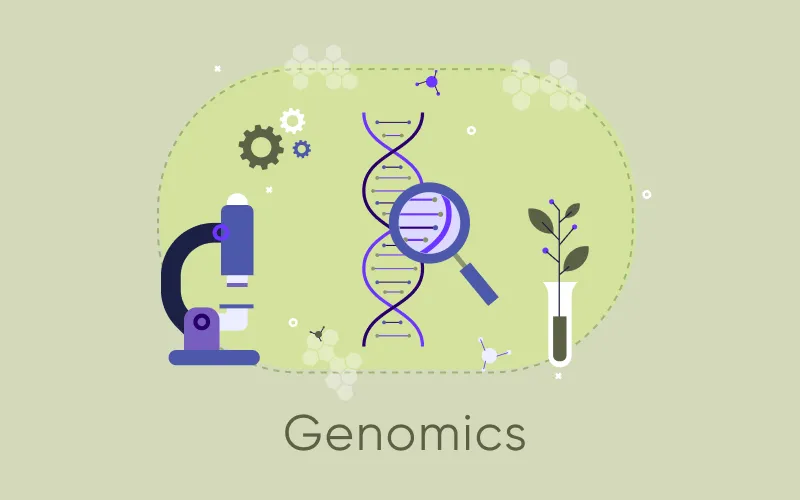 Genomics leverages insights from DNA to enhance health, combat diseases, and more. By exploring genes, mapping DNA structures, and identifying potential health issues, genomics opens new avenues—from technical roles in design and analysis to research-focused positions—empowering advancements in personalized medicine and biotechnology.
23. Neuromorphic Computing
Neuromorphic Computing is an exciting frontier where computer architectures mimic the neural structures of the human brain. This new emerging technology aims to dramatically enhance processing efficiency and energy consumption for tasks such as pattern recognition and sensory processing. With potential applications ranging from autonomous systems to next-generation AI, neuromorphic computing is set to become one of the future technology trends leading into technology trends 2026.
24. Wearable Technology
Wearable Technology continues to evolve beyond simple fitness trackers. Integrating advanced sensors, AI, and connectivity, modern wearables monitor health metrics, provide real-time feedback, and even enable augmented reality experiences. As part of the top new technologies, these devices are transforming personal healthcare and everyday convenience, aligning with the broader scope of latest technology trends and adding practical new technology examples.
25. Smart Grid Technology
Smart Grid Technology represents a revolutionary shift in how energy is managed and distributed. By integrating IoT, advanced analytics, and renewable energy sources, smart grids optimize electricity distribution, enhance energy efficiency, and support sustainable practices. As one of the emerging technologies 2026, smart grid solutions are critical to shaping a resilient, eco-friendly infrastructure for the future.
Additional 2026 Technology Trends to Watch: Top New Technologies
1. Agentic AI (AI Agents / Virtual Workforce)
Agentic AI moves beyond content creation by acting on goals across apps and workflows. These agents can plan steps, use tools, trigger automations, and coordinate tasks in CRMs, support systems, and analytics. With human-in-the-loop controls, they reduce manual work and speed execution. For many teams, they’re practical new technology examples of “AI that does,” not just “AI that writes.”
Explore Our Agentic AI Development solution Today!
2. AI Governance Platforms (AI TRiSM)
AI Governance platforms (AI TRiSM) help organizations run AI responsibly at scale. They support auditing, monitoring, policy controls, bias checks, explainability, and compliance reporting across models and vendors. As adoption expands, governance becomes essential to reduce risk and build trust. This recent technology category is increasingly tied to procurement, legal review, and enterprise-grade AI deployment across industries.
3. Disinformation Security
Disinformation security protects brands and enterprises from impersonation, deepfakes, synthetic voice scams, and manipulated media. It combines identity verification, content authenticity signals, monitoring, and incident response playbooks to limit reputational and financial damage. As threats evolve, these safeguards are becoming part of the latest technology in the world for cyber resilience, especially where social engineering targets customers, executives, and support teams.
4. Post-Quantum Cryptography (PQC)
Post-Quantum Cryptography upgrades encryption to remain secure if future quantum machines can break today’s public-key methods. Organizations start with crypto inventories, then migrate to quantum-resistant algorithms in phases for long-lived data and regulated systems. PQC is upcoming technology with urgent planning needs, and it’s among the most important new technology examples of “future-proofing” security before the risk becomes real.
5. Energy-Efficient Computing (Green AI Infrastructure)
Energy-efficient computing reduces the cost and carbon footprint of AI training and heavy workloads. It includes more efficient accelerators, optimized data centers, smarter scheduling, and model efficiency techniques that cut wasted compute. As AI scales, this becomes a business advantage - lower bills, higher throughput, and better sustainability outcomes. Green AI infrastructure is now one of the top new technologies shaping enterprise roadmaps.
6. Hybrid Computing
Hybrid computing blends CPU, GPU, edge, and ASIC resources to match each workload with the best platform for speed, cost, and latency. It reduces bottlenecks by distributing tasks intelligently across environments, including on-device and cloud. As recent technology stacks mature, hybrid strategies unlock more reliable performance and smarter architectures. They’re also new technology examples of “right compute, right place” at scale.
7. Spatial Computing
Spatial computing is the next stage of AR/VR where digital interfaces blend into real spaces for collaboration, training, and 3D work. It enables persistent virtual objects, mapping, gesture interaction, and immersive visualization for real tasks—not just entertainment. As devices improve, it’s upcoming technology that many teams are piloting now. It’s also part of the latest technology in the world reshaping human-computer interaction.
8. Polyfunctional Robots
Polyfunctional robots are adaptable machines designed for multiple tasks, not single-purpose automation. Using AI vision, navigation, and flexible hardware, they shift roles across warehouses, retail, and healthcare - handling changing environments with fewer specialized systems. This robotics wave complements RPA by bringing automation into physical operations. For operations leaders, they’re new technology examples and a practical slice of the top new technologies improving productivity.
9. Neurological Enhancement / Brain–Machine Interfaces
Brain–machine interfaces and neurological enhancement aim to restore function and expand interaction with technology through neural signals. Early use cases focus on rehabilitation, assistive communication, and medical monitoring, with improvements driven by better sensors and AI signal decoding. As capabilities mature, ethical, privacy, and security concerns grow too. For now, they remain new technology examples moving from labs toward real clinical and enterprise relevance.
10. Application-specific semiconductors + AI hardware
AI-focused hardware is becoming a major differentiator through specialized accelerators, AI PCs, edge AI chips, and optimized compute stacks. The goal is higher performance per watt, faster inference, and lower infrastructure cost for real-time applications. As AI demand rises, organizations are choosing hardware strategies that align with workloads - training, inference, edge deployment, and data-center scaling - so the compute layer becomes a competitive advantage.
Benefits of Investing in the Top Information Technology Trends 2026
Investing in the upcoming technology trends with the best app development company offers numerous benefits to individuals and businesses. Some of the key advantages include:-
Enhanced Efficiency
Recent technology often delivers improved features and capabilities, leading to increased productivity and streamlined processes.
Competitive Advantage
Grabbing future technology trends provides a competitive edge by enabling businesses to offer innovative products and services.
Cost Savings
Although initial investments are required, modern technologies can drive long-term savings through improved efficiency and optimized resource utilization.
Improved Communication
Advanced communication tools foster better collaboration among teams, partners, and clients, enhancing overall efficiency.
Market Relevance
Staying current with the latest technology trends helps businesses remain attractive to tech-savvy customers and demonstrates a commitment to innovation.
Data Security
Updated technology often includes enhanced security features that protect sensitive information and protect against cyber threats.
Adaptability to Change
Investing in the latest tech ensures organizations are prepared for future changes and challenges, especially as upcoming technology reshapes priorities.
Customer Satisfaction
Advanced solutions enhance customer experiences, leading to increased satisfaction and loyalty.
Investing in these new technology trends in 2026 is a strategic move that fosters growth, innovation, and a competitive edge in today's dynamic business landscape.
Bottom Line
The fast-paced evolution of technology is not just a wave; it's a relentless tide reshaping the landscape of our digital future. Embracing the top technology trends in 2026 isn't merely an option; it's necessary for those seeking to ride the currents of innovation. From the transformative power of artificial intelligence development services to the interconnected promise of the Internet of Things, these tech trends in 2026 are not just glimpses into tomorrow - they are the building blocks of a revolution today.
As we navigate this dynamic sea of possibilities, staying informed and adaptable becomes our compass, guiding us toward a future where technology isn't just a tool but a seamless extension of our boundless human potential. The future is now, and the latest technology in the world is waiting for those bold enough to grip the ever-changing tide of technological progress.
FAQs- Top Technology Trends
Q: What is a technological trend?
Ans: A technological trend refers to the prevailing direction in which new and innovative technologies are developing and being adopted. These trends indicate advancements gaining momentum and shaping various aspects of society, industry, and daily life.
Q2: Which technology is best in 2030?
Ans: Predicting the best technology in 2030 is speculative, but many experts anticipate that artificial intelligence (AI), quantum computing, and advanced biotechnology will be among the most impactful and transformative technologies.
Q3: What is the next booming technology?
Ans: The next booming technology will likely be artificial intelligence (AI) & Gen AI, particularly advancements in machine learning and neural networks, expected to drive significant innovation and efficiency across various sectors.
Q4: Which technology is best for the future?
Ans: The best technology for the future is subjective and depends on the context. However, AI, renewable energy technologies, quantum computing, and biotechnology are often highlighted as having the potential to impact and benefit society profoundly.
Q5: What are the top 10 emerging technologies?
- Artificial Intelligence and Machine Learning
- Quantum Computing
- 5G and Next-Generation Connectivity
- Blockchain and Distributed Ledger Technology
- Augmented Reality (AR) and Virtual Reality (VR)
- Internet of Things (IoT)
- Advanced Robotics and Automation
- Biotechnology and Gene Editing (e.g., CRISPR)
- Renewable Energy Technologies
- Cybersecurity Innovations
Q6: What is the fastest-growing technology?
Ans: Gen-AI and Artificial intelligence (AI) are currently the fastest-growing technologies, particularly in machine learning, natural language processing, and computer vision. This rapid growth is driven by widespread adoption across industries and continuous advancements in computational power and algorithms.
Q7: What is the latest technology in the world right now?
Ans: The latest technology in the world is less about one invention and more about convergence - Generative AI, AI agents, specialized AI hardware, and real-time edge/cloud computing working together. This mix powers smarter apps, faster automation, and new digital experiences across consumer and enterprise platforms.
Q8: How do I choose the right technology trend for my business?
Ans: Start with a business goal (cost reduction, speed, security, customer experience), then map trends to that goal. Prioritize top new technologies that match your data maturity and risk tolerance, and pilot with measurable KPIs. For many teams, recent technology wins come from AI automation, cybersecurity upgrades, and cloud modernization.
Q9: Which tech trends are most important for cybersecurity in 2026?
Ans: AI in cybersecurity, zero trust, biometric authentication, disinformation security, and post-quantum cryptography are key. They protect against phishing, deepfakes, identity fraud, and emerging threats - making them some of the most critical top new technologies for risk reduction.
Q10: What are upcoming technology trends to watch in 2026?
Ans: Major upcoming technology trends include AI governance platforms, energy-efficient computing, hybrid computing, spatial computing, polyfunctional robots, and post-quantum cryptography. These areas are expanding because enterprises need scalable AI, stronger trust, lower compute costs, and safer digital ecosystems.
Tags
New Technology Trends 2026
Technology Trends 2026
IT Industry Trends
Technology Trends


 Facebook
 Twitter
 LinkedIn
 Pinterest