Key takeaways:
- Choosing the right mobile app development tools depends on your project requirements, target platforms, budget, and technical expertise.
- Native development tools such as Android Studio and Xcode help developers build high-performance, platform-specific applications for Android and iOS.
- Cross-platform frameworks like Flutter, React Native, and Ionic enable developers to create applications for multiple operating systems using a shared codebase.
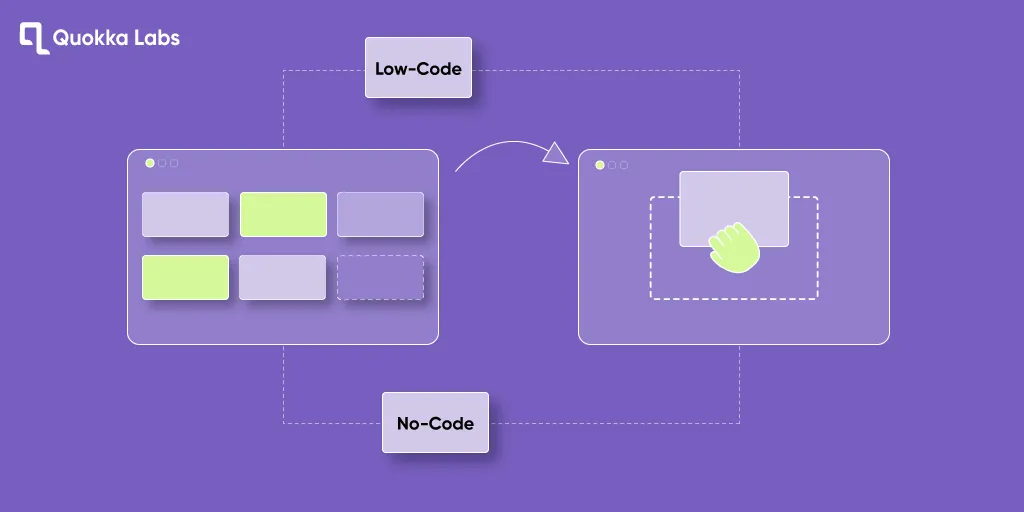
- Low-code mobile application development platforms such as OutSystems, Mendix, and Microsoft Power Apps accelerate app creation with visual development environments and pre-built components.
- No-code tools like Bubble, Adalo, and Glide allow users to build functional applications with minimal or no programming knowledge.
- Open-source mobile app development tools offer flexibility, community support, and customization options for developers working on different types of applications.
- The best mobile app development tool should balance performance, scalability, ease of use, development speed, and long-term maintenance requirements.
Turn Your App Idea into Reality!
Choosing the right development tools is just the beginning. Let our experts help you build a high-performing mobile app tailored to your business needs.
If you’re here, you’re likely seeking information on the best mobile app development tools and software for creating applications. Understanding app development tools can be significantly complex when resources don't differentiate between native, cross-platform, low-code, and no-code solutions. The right tools for mobile app development can reduce setup time, improve consistency, and help teams select an approach that aligns with their product requirements.
Many existing resources fall short by not categorizing tools effectively. They often mix native development tools with cross-platform solutions and fail to distinguish between low-code and no-code options. For teams focused on software development mobile applications, understanding these distinctions makes it easier to evaluate technologies based on development speed, performance, scalability, and technical expertise.
- Native Development Tools: Ideal for developers focusing on platform-specific applications.
- Cross-Platform Tools: Those who need to build apps that perform well across multiple operating systems from a single codebase.
- Low-Code Development Platforms: Designed to accelerate development with reduced coding effort.
- No-Code Platforms: Perfect for non-technical users aiming to create functional apps through intuitive design tools.
This categorization also helps you compare a mobile application development platform with a framework, IDE, or visual development environment before making a technical decision.
Our structured list aims to streamline your search. The guide will help you identify the tools that best fit your development needs and skill level. If you’re comparing the top 10 mobile app development tools, the categories below can help you look beyond popularity and focus on the capabilities that matter for your project.
If your question is what is the best tool for mobile app development, the answer depends on factors such as your target platforms, application complexity, development skills, performance requirements, and available budget.
However, before discussing app-building software or tools, let’s understand their importance and what they are.
Let’s get started!
The Role of Mobile App Development Tools- Explained
Creating a mobile app is far from a quick fix—it’s a complex endeavor that demands various tools to get it right. At the heart of this process is mobile app development software, which is a game-changer in the app development industry.
These specialized app-building software platforms are designed to simplify and accelerate the app development journey. They offer a range of features, including IDEs, no-code options, pre-designed templates, APIs, data synchronization, and comprehensive analytics. Modern development teams may also combine standard IDEs with advanced mobile app development tools for performance monitoring, automation, testing, debugging, and deployment.
With these tools, developers can build apps more quickly and integrate them seamlessly with backend services, such as push notifications. They provide a visual development environment, ensure hardware compatibility, and support efficient workflow design. For organizations managing software development mobile applications at scale, having the right combination of development, testing, integration, and monitoring capabilities can also improve consistency throughout the application lifecycle.
Are you curious about the types of tools available? Let’s explore the various mobile app development software and tools. If you are still asking what is the best tool for mobile app development, start by identifying whether your project requires native performance, cross-platform flexibility, low-code acceleration, or a completely no-code approach.
Native Mobile App Development Tools & Software 2026
Native mobile development tools are essential for developing applications tailored to a single platform. These specialized tools are designed to optimize the creation of apps for either Android or iOS, ensuring that each application is fully integrated with its target operating system's unique features and capabilities.
By leveraging native development tools, you can achieve peak performance and a seamless user experience specific to each platform.
 These are categorized into two parts: Native tools for Android and Native tools for iOS.
Native Tools for Android Apps
Developing native Android applications requires specific tools to streamline and enhance the mobile app development process. When evaluating mobile application development tools for android projects, developers should consider IDE capabilities, debugging support, testing features, build automation, and integration with Android APIs. The content below provides the best Android development tools available for efficient development.
(1.) Android Studio
 Android Studio is Google's official IDE, tailored to Android app development services. It is one of the most essential mobile app development tools. It provides comprehensive features to streamline development, from writing and editing code to testing and debugging applications. Built on the IntelliJ IDEA platform, Android Studio integrates various tools and functionalities that cater to every stage of Android development, ensuring a cohesive and efficient workflow.
Top Features of Android Studio
- Advanced Code Editor: Provides intelligent code completion, code analysis, and refactoring tools.
- Layout Editor: A powerful drag-and-drop editor for creating and previewing user interfaces.
- Android Emulator: A fast and feature-rich emulator to test applications on various virtual devices.
- Real-time Profiling: Tools for profiling CPU, memory, network, and energy usage to optimize app performance.
- Gradle Build System: Integrated build automation system that supports advanced build configurations and dependency management.
- Integrated Testing Frameworks: Supports unit and UI testing with frameworks like JUnit and Espresso.
- Jetpack Integration: Seamless integration with Android Jetpack libraries for modern Android development practices.
(2.) Eclipse with ADT Plugin
Eclipse, combined with the Android Development Tools (ADT) plugin, was once a prominent choice among Android app development tools. It extended the Eclipse IDE to support Android-specific functionalities, enabling developers to design, code, and debug Android applications within the familiar Eclipse environment. Although the ADT plugin has been deprecated and replaced by Android Studio, Eclipse with ADT was a foundational tool for many developers transitioning to Android development.
Top Features of Eclipse with ADT Plugin
- Code Assistance: Syntax highlighting and code completion for Java and XML.
- Debugging Tools: Includes a debugger for Android applications and the ability to set breakpoints.
- UI Designer: Allows for basic drag-and-drop interface design for Android applications.
- Project Management: Supports managing Android projects with Eclipse’s robust project and build management tools.
(3.) IntelliJ IDEA
IntelliJ IDEA, developed by JetBrains, is a versatile and powerful IDE known for its strong support for Java and other JVM languages. IntelliJ IDEA offers many of the same advanced features as the foundation for Android Studio. Its extensive capabilities go beyond Android development, supporting various programming languages and frameworks.
Top Features of IntelliJ IDEA
- Smart Code Completion: Context-aware code completion and suggestions.
- Code Refactoring: Advanced tools for refactoring code, including renaming, extracting methods, and more.
- Integrated Version Control: Built-in support for Git, SVN, and other version control systems.
- JVM Language Support: Comprehensive support for Java and Kotlin is essential for Android development.
- Plugin Ecosystem: Access to various plugins for various languages and frameworks.
(4.) Android NDK (Native Development Kit)
 The Android Native Development Kit (NDK) is a crucial toolset for Android development that enables developers to write parts of their apps using native languages like C and C++. As a specialized mobile app development tool, the NDK is designed to create high-performance applications that require close-to-hardware optimizations or need to integrate with existing native libraries. It supports various CPU architectures and provides robust tools for native code debugging and optimization.
Top Features of Android NDK
- Native Libraries: Provides libraries for everyday tasks, such as OpenGL ES, and supports native APIs.
- Cross-Compilation: Allows you to compile code for different architectures (ARM, x86, etc.).
- JNI (Java Native Interface): Facilitates interaction between Java and native code, enabling you to call native methods from Java and vice versa.
- Performance Optimization: Useful for applications that require high-performance computation, such as games or real-time processing.
Native Tools for iOS Apps
Developing native iOS applications requires specific tools to streamline and enhance the step-by-step iOS app process. The content below provides the best iOS development tools available for development.
(1.) Xcode
 Xcode is Apple's official integrated development environment (IDE) for macOS and is considered one of the primary mobile app development tools for iOS apps. It provides a comprehensive suite of tools for coding, designing, debugging, and testing iOS applications. Xcode integrates an advanced code editor, Interface Builder, and a powerful simulator to streamline the development workflow and ensure seamless deployment across various Apple devices.
Top Features of Xcode
- Interface Builder: Drag-and-drop interface design with real-time previews.
- Code Editor: Syntax highlighting, auto-completion, and refactoring tools.
- Simulator: Allows testing of apps on different iOS devices and versions.
- Debugger: Integrated tools for setting breakpoints and analyzing app performance.
- Swift and Objective-C Support: Robust support for both languages used in iOS development.
- Instruments: Performance analysis tools for monitoring CPU, memory, and network usage.
(2.) Swift
 Swift is Apple's modern programming language for iOS, macOS, watchOS, and tvOS development. As a core component of mobile app development tools for iOS, Swift offers a safe, fast, and expressive language for building high-performance applications. It was introduced to improve upon Objective-C, providing a more streamlined syntax and advanced features to enhance code safety and performance.
Top Features of Swift
- Modern Syntax: Clean and expressive syntax that improves readability and maintainability.
- Type Safety: Strong typing system to reduce common programming errors.
- Performance: Optimized for speed and efficiency, comparable to lower-level languages.
- Interoperability: Easily integrates with existing Objective-C code and libraries.
- Playgrounds: Interactive environment for experimenting with code and algorithms.
(3.) Objective-C
 Objective-C is a dynamic programming language that has been a staple of iOS development since the early days of Apple’s platforms. Although Swift has become the preferred language, Objective-C remains a critical component of iOS mobile app development tools, especially for maintaining and extending legacy codebases. It provides a runtime that supports dynamic typing and messaging, offering a different approach than Swift.
Top Features of Objective-C
- Dynamic Runtime: Supports dynamic typing and message passing, allowing for flexible and adaptable code.
- Compatibility: Seamless integration with existing Objective-C libraries and frameworks.
- Mature Ecosystem: Well-established libraries and frameworks for various iOS functionalities.
- Bridging with Swift: Capability to use Objective-C code within Swift projects and vice versa.
(4.) AppCode
 AppCode, developed by JetBrains, is an alternative IDE for iOS and macOS development that complements Apple's Xcode. It provides many features designed to enhance productivity and code quality. AppCode supports Swift and Objective-C and offers advanced code analysis, refactoring, and navigation tools.
Top Features of AppCode
- Smart Code Assistance: Context-aware code completion and analysis for Swift and Objective-C.
- Refactoring Tools: Advanced refactoring capabilities to improve code structure and maintainability.
- Code Navigation: Efficient tools for navigating and understanding complex codebases.
- Integration with Xcode: Seamless integration with Xcode projects and workflows.
- Testing Support: Built-in support for unit testing and UI testing frameworks.
(5.) CocoaPods
 CocoaPods is a dependency manager for iOS and macOS development. It simplifies the integration of third-party libraries and frameworks into Xcode projects. As a crucial tool among iOS mobile app development tools, CocoaPods automates managing dependencies, ensuring that projects remain organized and up-to-date with the latest library versions.
Top Features of CocoaPods
- Dependency Management: Automates the inclusion of external libraries and frameworks.
- Podfile Configuration: Easy-to-write configuration files to manage project dependencies.
- Version Control: Handles library versioning to ensure compatibility and stability.
- Library Repository: Access to a vast repository of open-source libraries and frameworks.
- Integration with Xcode: Directly integrates with Xcode, simplifying library installation and updates.
Cross-Platform Mobile App Development Tools
Cross-platform tools for mobile app development are especially valuable when businesses want to target multiple operating systems without maintaining completely separate codebases. Selecting the right mobile application development framework and tools can reduce duplicated development effort while still providing access to platform-specific capabilities.
Several solutions in this category also regularly appear when businesses compare the top 10 mobile app development tools, particularly because cross-platform development can shorten time to market while improving code reuse.

1. Flutter- Top Cross-Platform Platform
Flutter, developed by Google, is an open-source UI toolkit designed to build natively compiled mobile, web, and desktop applications from a single codebase. As a leading cross-platform mobile app development tool, Flutter allows developers to create visually appealing and high-performance applications with a unified codebase, leveraging its rich set of customizable widgets and reactive framework.
When developers compare mobile app development tools open source options, Flutter stands out because its framework, tooling ecosystem, reusable widgets, and multi-platform capabilities support a broad range of application requirements.
Top Features of Flutter
- Hot Reload: Instant preview of changes without restarting the app.
- Rich Widget Library: Extensive set of pre-designed and customizable widgets.
- Single Codebase: Write once deployed across multiple platforms (iOS, Android, web, and desktop).
- Performance: High performance with native compilation for fast execution.
- Dart Language: It uses Dart language and is optimized for UI creation and application logic.
2. React Native- Cross-Platform Mobile App Development Tool
Facebook's React Native is a popular framework for building cross-platform mobile applications using JavaScript and React. It enables developers to create apps that run natively on iOS and Android using a single codebase. React Native bridges the gap between mobile and web app development by allowing code reuse and leveraging native components for performance.
For teams selecting a mobile application development framework and tools for JavaScript-based projects, React Native provides a familiar programming model along with access to native APIs and a large development ecosystem.
Top Features of React Native
- Code Reusability: Share code between iOS and Android platforms.
- Native Components: Access to native APIs and components for enhanced performance.
- Hot Reloading: Real-time updates to code changes during development.
- JavaScript and React: Leverages the power of JavaScript and the React library for efficient development.
- Community Support: Large ecosystem and community providing a wealth of libraries and tools.
3. Xamarin- Cross-Platform Development Tool
Xamarin, a Microsoft-owned framework, is designed to build cross-platform applications using C# and .NET. Xamarin allows developers to create native iOS, Android, and Windows apps with a shared codebase, integrating seamlessly with Visual Studio. It offers comprehensive support for platform-specific APIs while maintaining a high level of code reuse.
Top Features of Xamarin
- Single Codebase: Write in C# and share code across iOS, Android, and Windows.
- Native Performance: Compiles native code for high performance.
- Visual Studio Integration: Deep integration with Visual Studio for a streamlined development experience.
- Rich API Access: Full access to native APIs and device-specific functionalities.
- Xamarin Forms: Allows the creation of cross-platform UIs with a single codebase.
4. PhoneGap/Cordova- Cross-Platform Mobile App Development Tools
PhoneGap, now known as Apache Cordova, is an open-source mobile development framework that allows developers to build cross-platform apps using HTML, CSS, and JavaScript. Cordova allows developers to create mobile applications that run in a web view and access native device functionalities through plugins, enabling broad compatibility across different platforms.
Among mobile app development tools open source ecosystems, Cordova became widely recognized for enabling web developers to package HTML, CSS, and JavaScript applications for multiple mobile platforms.
Top Features of PhoneGap/Cordova
- Web Technologies: Build apps using standard web technologies (HTML, CSS, JavaScript).
- Plugins: Access to native device features through a wide range of plugins.
- Single Codebase: Write code once and deploy across multiple platforms.
- Flexibility: Supports various mobile platforms, including iOS, Android, and Windows.
- Community Contributions: It offers an extensive library of plugins and tools contributed by the community.
5. Ionic- Cross-Platform Mobile App Development Tools
Ionic is a framework for building cross-platform mobile applications using HTML, CSS, and JavaScript web technologies. It focuses on creating high-quality, performant iOS, Android, and web apps. It integrates with Angular, React, and Vue, offering a range of UI components and tools for developing mobile-friendly applications.
For teams researching mobile app development tools open source technologies, Ionic provides an accessible option for developers already comfortable with modern web frameworks and frontend technologies.
Top Features of Ionic
- Web Technologies: Utilizes HTML, CSS, and JavaScript for mobile app development.
- Cross-Platform Components: Rich set of pre-designed UI components optimized for mobile.
- Integration with Angular, React, and Vue: Flexible integration with popular JavaScript frameworks.
- Capacitor: Modern native runtime for accessing native features and deploying to app stores.
- Performance: Efficient performance with tools like lazy loading and optimized rendering.

Mobile App Development Tools- Low Code
Low-code mobile development tools have become increasingly popular because they streamline the app creation. Here are four top low-code development tools and an overview of their key features. Businesses comparing the top 10 mobile app development tools may consider low-code solutions when rapid delivery, reusable components, workflow automation, and enterprise integration are important requirements.

1. OutSystems
OutSystems is a leading low-code platform known for its robust capabilities in building enterprise-grade mobile and web applications. It offers comprehensive app development, integration, and deployment tools. As a mobile application development platform, OutSystems combines visual development with integration, automation, security, and deployment capabilities for enterprise projects.
Key Features of OutSystems
2. Mendix
Mendix is a versatile, low-code development platform designed to streamline the application development process for organizations of all sizes, from small businesses to large enterprises. Established in 2005, Mendix is known for its emphasis on rapid development, enabling users to build and deploy applications quickly with minimal coding.
Key Features of Mendix
3. Appian
Appian focuses on providing a low-code platform for building applications that drive business processes and workflow automation. It's well-suited for organizations looking to enhance operational efficiency.
Key Features of Appian
- Process Automation: Allows users to design and automate business processes with visual tools, including workflow diagrams and decision rules.
- Intuitive User Interface Design: Provides a drag-and-drop interface for creating user-friendly app designs without extensive coding.
- Integration with Existing Systems: Offers connectors and APIs for integrating enterprise systems and data sources.
- Real-Time Analytics: Includes real-time features for monitoring app performance and user interactions, providing insights for continuous improvement.
4. Microsoft Power Apps
Microsoft Power Apps is part of the Microsoft Power Platform and is designed to enable users to create custom apps quickly with minimal coding. It integrates seamlessly with other Microsoft services and tools. As a mobile application development platform, it can be particularly useful for organizations already working within Microsoft’s business technology ecosystem.
Key Features of Microsoft Power Apps
- Pre-Built Templates and Connectors: It offers a range of templates and connectors for integrating with Microsoft 365, Dynamics 365, and other third-party services.
- Low-Code Development Environment: Provides a user-friendly interface for building apps using drag-and-drop functionality and pre-configured components.
- Data Integration: Supports integration with various data sources, including SQL databases, SharePoint, and Excel.
- Mobile-Friendly: Allows for creating responsive apps that work well on mobile devices and desktops.
Each low-code mobile app development software offers unique strengths, catering to different aspects of development and organizational needs. Whether looking for a solution that excels in enterprise integration, process automation, or ease of use, these low-code platforms provide powerful options for building mobile applications efficiently.
Discover- Top 10 Best LowCode and NoCode Platforms
Mobile App Development Tools- No Code
A no-code mobile application development platform can make application creation accessible to business users, entrepreneurs, and teams without extensive programming expertise while still supporting workflows, integrations, databases, and responsive interfaces.

1. Bubble
Bubble is powerful no-code platform app-building software that allows users to build complex web and mobile applications without writing code. It's particularly well-suited for creating custom applications with robust functionalities, including databases and workflows.
Top Features of Bubble
- Visual Editor: Drag-and-drop interface for designing responsive web pages and applications.
- Workflow Automation: Set up complex workflows and logic without coding using a visual workflow builder.
- Database Management: Create and manage a database directly within the platform, with options for creating data types and fields.
- API Integration: Connect with external services and APIs to enhance app functionality.
- Plugins and Extensions: Access a marketplace of plugins to add features like payments, analytics, and more.
2. Adalo
Adalo focuses on simplifying mobile development by providing a user-friendly interface for designing and deploying native mobile applications. It supports both iOS and Android platforms.
Top Features of Adalo
- Drag-and-Drop Interface: Intuitive design tool for building mobile app interfaces with pre-built components.
- Database Integration: Built-in database to store and manage app data, with options for creating custom collections.
- Custom Actions: Use a visual workflow editor to create custom actions and logic for app functionality.
- Pre-Built Templates: Access to various templates and design components to kickstart your app development.
Publishing: Directly publish apps to the Apple App Store and Google Play Store from within the platform.
3. Appgyver
Appgyver offers a comprehensive no-code platform for building web and mobile applications. It is known for its versatility and scalability and is suitable for users with varying levels of technical expertise.
Top Features of Appgyver
- Composer Pro: A visual development environment for designing app interfaces and setting up logic flows.
- Data Integration: Connect to various data sources, including REST APIs and databases, to manage app data effectively.
- Logic Flows: Create sophisticated business logic and automation using visual flowcharts.
- Component Library: A wide range of pre-built UI components and templates to expedite the development process.
- Cross-Platform: Build apps for web, iOS, and Android from a single codebase, ensuring broad compatibility.
4. Glide
Glide is a no-code platform designed to quickly and easily convert Google Sheets into functional mobile apps. It’s trendy for its simplicity and ease of use, making it ideal for users looking to convert spreadsheets into apps.
Top Features of Glide
- Spreadsheet Integration: Seamlessly convert data from Google Sheets into app components and functionalities.
- Drag-and-Drop Interface: Design mobile app interfaces using a visual editor with drag-and-drop elements.
- Real-Time Updates: Automatically syncs app data with changes made in the Google Sheets, ensuring real-time updates.
- Templates: This site offers various templates for different types of apps, including directories, forms, and more.
- Custom Branding: Customize the look and feel of your app to match your brand identity.
These tools cater to different needs and types of projects, from complex web applications to simple mobile apps, providing a range of features to help users bring their app ideas to life without coding. These tools for mobile app development are especially useful when speed, visual development, and lower technical barriers are more important than extensive control over native code.
Which Mobile App Development Tools to Choose?
Choosing the right mobile development tools is essential for project success. Start by defining your app’s complexity, platform needs, and budget. Teams involved in software development mobile applications should also consider scalability, integration requirements, developer expertise, maintenance needs, and expected application performance before committing to a technology.
Traditional environments like Xcode and Android Studio are preferable for those needing complete control. These IDEs offer comprehensive app development tools for iOS and Android. Cross-platform projects, meanwhile, require careful evaluation of the mobile application development framework and tools that best support performance, maintainability, native integrations, and code reuse.
Ultimately, if you are asking what is the best tool for mobile app development, there is no single solution for every project. The most appropriate choice depends on whether you prioritize native performance, cross-platform development, faster low-code delivery, or no-code accessibility.
Moreover, As a leading mobile app development company, we have successfully developed over 3,000+ apps for our clients. We are committed to helping you find the optimal solution for your complex business needs.
Ready to Build Your Next Mobile App?
Bring your app idea to life with Quokka Labs. Our development team can help you create a secure, scalable, and user-friendly apps.
Mobile App Development Tools - FAQs
Which tool is best for mobile app development?
The best tool depends on your app’s needs. Some popular choices include Flutter for cross-platform apps, React Native for fast development, and Swift or Kotlin for native iOS and Android apps.
Which is best for mobile app development?
If you want a cross-platform solution, Flutter or React Native are great options. For native app development, Swift (iOS) and Kotlin (Android) are often considered the best.
What do you use for mobile app development?
Flutter or React Native are popular for cross-platform apps. For native app development, developers use Xcode with Swift for iOS and Android Studio with Kotlin or Java for Android.
What are the 4 programming languages used to develop mobile applications?
The four main programming languages for mobile app development are:
- Swift (for iOS)
- Kotlin (for Android)
- Java (for Android)
- Dart (used with Flutter for cross-platform apps)
Is Flutter free to use?
Yes, Flutter is an open-source framework that is entirely free to use.
How to easily build a mobile app?
To quickly build a mobile app, you can use tools like Flutter or React Native to develop cross-platform apps. They allow you to write code once and deploy it on iOS and Android, saving time and effort. App builders like Appy Pie or BuildFire also offer drag-and-drop interfaces for no-code app development.