AI Integration Services for Existing Systems, Data, and Workflows
Quokka Labs integrates generative AI models, agents, and intelligent services with applications, APIs, enterprise data, and operational platforms through secure, resilient, and observable integration architectures, without replacing your core systems.
AI Products Engineered for Real-World System Integration
Explore AI products developed by Quokka Labs that integrate security controls, quality engineering, and conversational intelligence into existing applications, data environments, and operational workflows.
LangProtect
Integrate AI Security Across Users, Applications, and Agents
LangProtect connects AI governance and runtime protection with employee AI usage, internal AI applications, enterprise identities, agents, non-human identities, and security workflows. It enables policy enforcement, sensitive data controls, activity monitoring, and audit-ready oversight across the organization’s AI ecosystem.
Connect AI-Powered Testing with Product Delivery Workflows
EverTest integrates AI-assisted test creation, execution, validation, and reporting into existing QA and software delivery environments. Teams can connect automated testing with web applications, regression workflows, release processes, and CI/CD pipelines without rebuilding their engineering toolchain.
Our configurable AI chatbot connects with websites, SaaS products, CRM and ERP platforms, knowledge bases, databases, APIs, and customer-support systems. It retrieves relevant business context, automates workflow actions, and delivers accurate assistance across customer, employee, and operational use cases.
Accelerate Intelligent Business Execution Through AI Integration Services
Our AI integration services combine AI data integration, API engineering, Generative AI capabilities, Retrieval-Augmented Generation (RAG), workflow orchestration, and intelligent automation to deliver scalable, context-aware AI across existing technology ecosystems.
01
AI Integration Architecture
Assess system dependencies, business workflows, API maturity, data boundaries, security requirements, and performance constraints. We define integration patterns, interface contracts, platform architecture, phased rollout, and measurable production criteria.
02
Model & API Integration
Integrate commercial, open-source, cloud-hosted, and private AI models through governed APIs and model gateways. Provider abstraction, routing, fallbacks, rate controls, version management, and usage monitoring improve reliability and reduce vendor lock-in.
03
Application & Legacy Integration
Embed copilots, recommendations, document intelligence, predictive models, and conversational AI into SaaS products, web and mobile applications, CRM, ERP, support platforms, and legacy systems without replacing core infrastructure.
04
Data & Knowledge Integration
Connect AI with databases, data platforms, document repositories, vector stores, APIs, and real-time event streams. We implement batch, streaming, change-data-capture, RAG, and structured retrieval patterns for current, permission-aware context.
05
Agent & Workflow Orchestration
Coordinate AI agents, tools, APIs, business rules, and human approvals across stateful workflows. Tool authorization, retries, idempotency, confidence thresholds, exception handling, and audit trails keep execution controlled and recoverable.
06
Integration Reliability & Security
Validate API contracts, schemas, model outputs, access controls, latency, and failure recovery. Distributed tracing, workload identity, secrets management, circuit breakers, rollback controls, and runtime monitoring sustain dependable production operations.
Client Success Stories
Turning AI Integration into Measurable Business Impact
Explore how Quokka Labs helps organizations integrate AI across enterprise data, applications, and business processes to accelerate automation, improve decision-making, and create measurable business value at scale.
Rhubarb
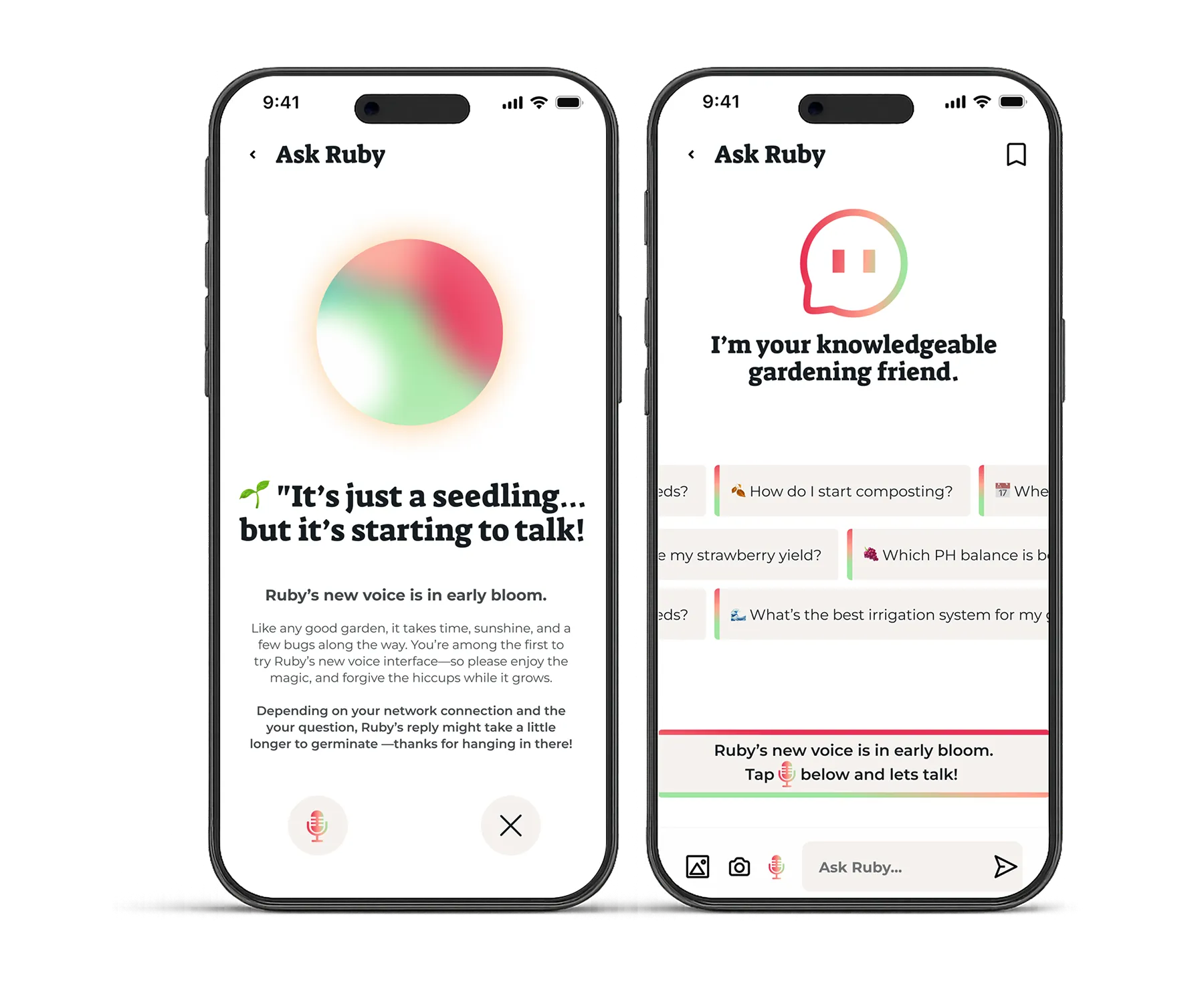
Quokka Labs integrated conversational AI with gardening knowledge, personalized user data, and contextual recommendations, enabling seamless access to expert guidance through a unified, AI-powered gardening experience.
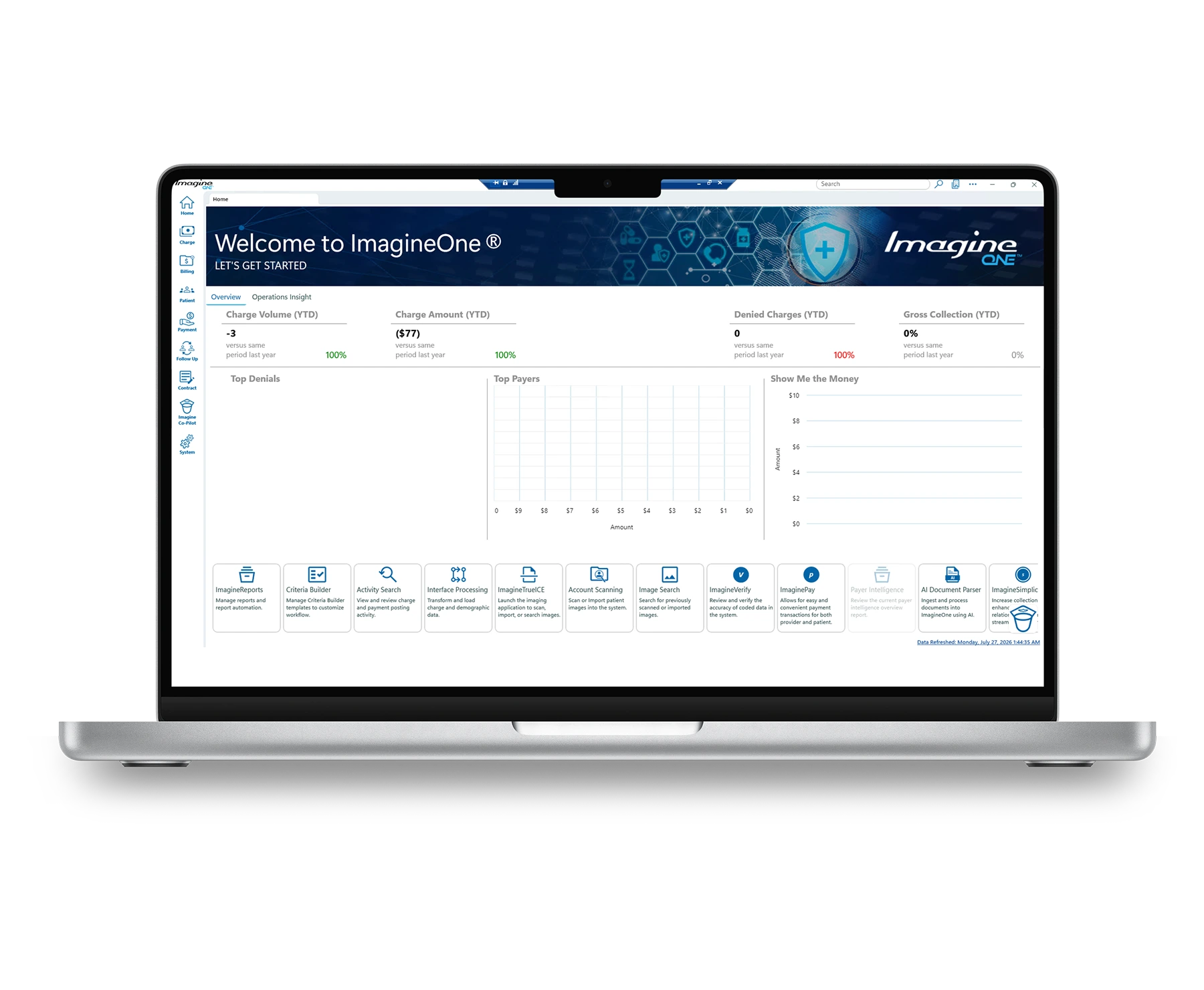
Quokka Labs connected claims, payer systems, and clinical workflows through AI integration, enabling coordinated healthcare operations, streamlined data exchange, and faster reimbursement decisions across the care lifecycle.
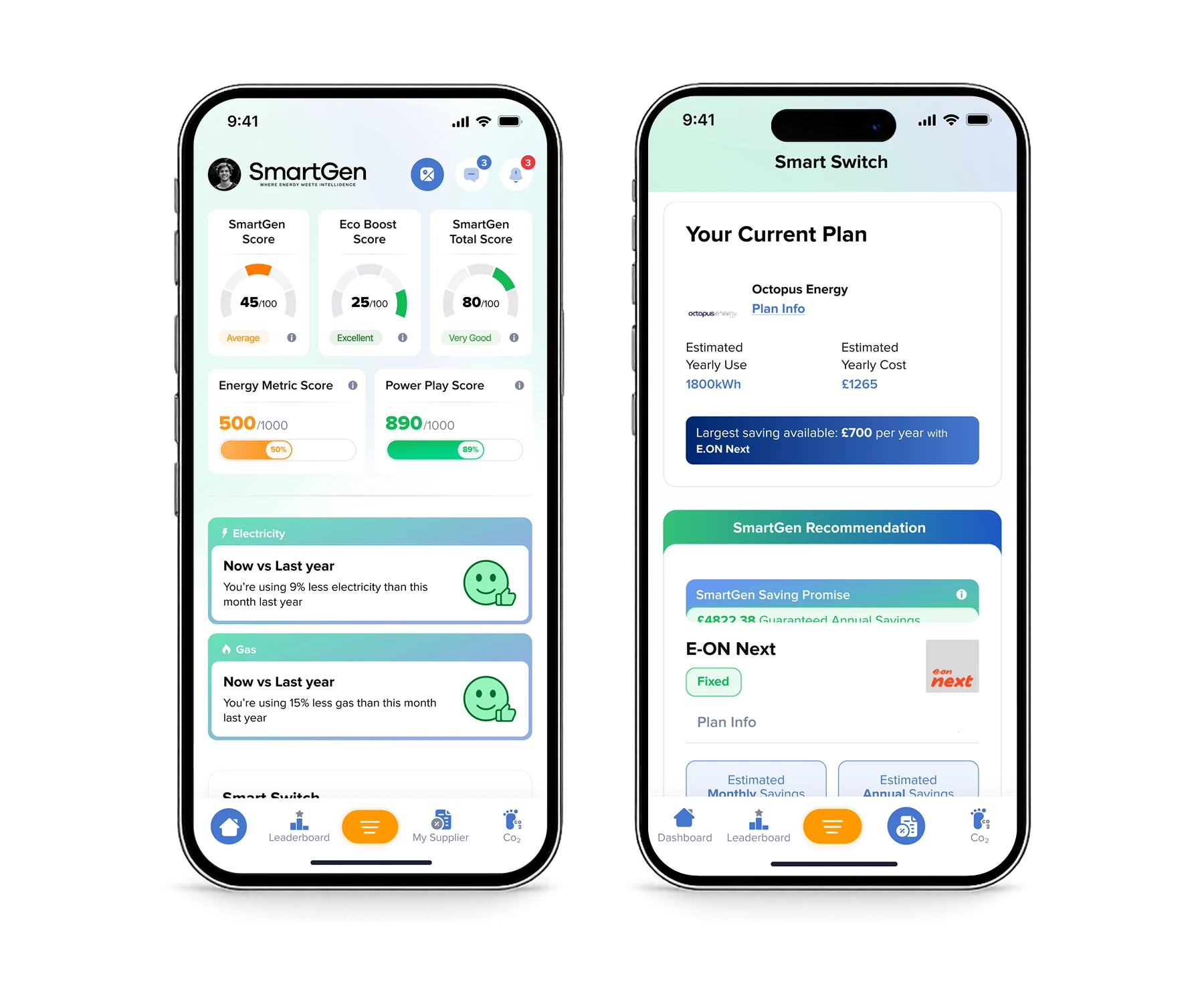
Quokka Labs integrated AI with operational systems, energy assets, and real-time data streams, enabling connected infrastructure, intelligent monitoring, and faster operational decisions across distributed energy networks.
How We Embed AI into Business Operations Without Disrupting Existing Systems
Quokka Labs delivers AI integration services through an architecture-led framework that aligns business processes, applications, and operational workflows to embed AI without disrupting existing systems.
1
Workflow and System Discovery
We identify the business workflows, user interactions, applications, data sources, APIs, and operational dependencies involved in the integration. The assessment defines expected outcomes, system constraints, security boundaries, latency requirements, and measurable success criteria.
2
Integration Architecture and Contracts
Our architects define the target integration model using API-led, event-driven, batch, streaming, or hybrid patterns. We establish interface contracts, schemas, model gateways, identity flows, error-handling rules, and deployment boundaries before engineering begins.
3
Data, Context and Connector Engineering
We build secure connectors for databases, SaaS platforms, document systems, APIs, event streams, and legacy applications. Data transformation, validation, permission propagation, context enrichment, and synchronization ensure AI receives current and governed information.
4
AI Orchestration and Application Integration
Models, agents, tools, business rules, and human approvals are integrated into the target application or workflow. We implement state management, structured outputs, routing, retries, fallback logic, and exception handling for controlled execution across connected systems.
5
Security, Resilience and Integration Validation
The integration is validated for authentication, authorization, data exposure, schema compatibility, model behaviour, latency, throughput, and failure recovery. Contract testing, circuit breakers, idempotency, audit trails, and rollback controls reduce production risk.
6
Controlled Deployment and Runtime Optimization
We release AI integrations through phased deployment, feature controls, observability, and production monitoring. Distributed tracing, API health metrics, workflow diagnostics, model usage, cost monitoring, and SLO tracking support reliable long-term operations.
Quokka Labs engineers AI integrations around each industry’s core platforms, data standards, security boundaries, and operational dependencies. We connect AI models, agents, applications, and workflows without disrupting systems of record or established business operations.
Integrate AI with EHR and EMR platforms, FHIR and HL7 interfaces, clinical applications, payer systems, and document workflows. We enable clinical assistance, prior authorization, claims processing, care coordination, and patient engagement with PHI controls, role-based access, human review, and traceable execution.
Integrate AI with EHR and EMR platforms, FHIR and HL7 interfaces, clinical applications, payer systems, and document workflows. We enable clinical assistance, prior authorization, claims processing, care coordination, and patient engagement with PHI controls, role-based access, human review, and traceable execution.
Connect AI with core banking platforms, payment gateways, transaction streams, KYC and AML systems, fraud engines, lending platforms, and customer applications. Secure APIs, event-driven processing, approval controls, and auditable outputs support risk analysis, compliance operations, underwriting, and intelligent customer service.
Embed AI across policy administration, claims management, underwriting platforms, broker portals, document systems, and third-party data services. We orchestrate models, business rules, APIs, and human decisions to improve claims triage, coverage review, fraud investigation, underwriting assistance, and policy servicing.
Integrate copilots, AI agents, recommendations, document intelligence, and conversational AI into multi-tenant SaaS products. Our engineers implement tenant-aware access, model gateways, feature entitlements, usage metering, API orchestration, release controls, and observability without compromising the existing product architecture.
Connect AI with ERP, HRMS, ITSM, procurement, finance, legal, and enterprise knowledge platforms across global operations. Stateful workflows, identity propagation, human approvals, and exception handling enable employee assistance, service automation, document processing, and standardized execution across business functions.
Integrate AI with commerce platforms, PIM, ERP, CRM, POS, inventory, order management, pricing, and customer support systems. Real-time APIs and event streams enable contextual product discovery, service automation, merchandising intelligence, demand forecasting, and personalized customer experiences using current operational data.
Enabling Secure AI Integration Across Enterprise Systems and Operations
Quokka Labs engineers secure AI integrations with identity management, governance, compliance controls, and continuous oversight to protect business systems, strengthen trust, and support responsible AI adoption at scale.
SOC 2
ISO 27001
GDPR
HIPAA
PCI DSS
CCPA
NIST AI RMF
SOC 2
ISO 27001
GDPR
HIPAA
PCI DSS
CCPA
NIST AI RMF
Okta
Microsoft Entra ID
Auth0
Ping Identity
Keycloak
Okta
Microsoft Entra ID
Auth0
Ping Identity
Keycloak
OWASP
NVIDIA NeMo Guardrails
Lakera
Protect AI
Guardrails AI
OWASP
NVIDIA NeMo Guardrails
Lakera
Protect AI
Guardrails AI
HashiCorp Vault
AWS Secrets Manager
Azure Key Vault
Google Cloud Secret Manager
HashiCorp Vault
AWS Secrets Manager
Azure Key Vault
Google Cloud Secret Manager
Microsoft Defender
CrowdStrike
Splunk
Snyk
Datadog
Microsoft Defender
CrowdStrike
Splunk
Snyk
Datadog
Langfuse
WhyLabs
Arize AI
Fiddler AI
Arthur AI
Credo AI
Galileo
Langfuse
WhyLabs
Arize AI
Fiddler AI
Arthur AI
Credo AI
Galileo
Partner With Us
Why Quokka Labs Is The Right Partner for Complex AI Integration Services
We integrate AI with enterprise knowledge, operational data, and business context through AI data integration to improve response accuracy, decision quality, and contextual intelligence across connected systems.
AI-First Integration Strategy
We begin with architecture assessment, integration dependency mapping, and AI readiness evaluation to align implementation priorities with technology investments, governance requirements, and business objectives.
API & Event-Driven Architecture
Our architects design API-first and event-driven integration frameworks that enable secure, resilient, and scalable communication across distributed applications, intelligent services, and evolving technology ecosystems.
Multi-System Orchestration
We orchestrate AI across business applications, enterprise data, operational platforms, and knowledge systems to establish unified intelligence, execution consistency, and connected decision-making.
Risk-Controlled Delivery
AI integration is executed through phased implementation, architectural governance, validation frameworks, and operational safeguards that reduce transformation risk while protecting business continuity and platform stability.
Context-Aware AI Integration
We integrate AI with enterprise knowledge, operational data, and business context to improve response accuracy, decision quality, and contextual intelligence across connected systems.
Platform Interoperability
Our AI experts establish standards-based interoperability across legacy infrastructure, cloud platforms, SaaS applications, and AI ecosystems to simplify technology integration, reduce complexity, and support future modernization.
We tailor AI integration services to your technology landscape, business processes, governance requirements, and long-term modernization priorities.
Technologies Enabling Intelligent AI Integration Across Connected Systems
Quokka Labs combines AI frameworks, integration platforms, orchestration technologies, APIs, cloud infrastructure, and modern data ecosystems to deliver AI integration services, AI data integration, and intelligent workflow automation across connected business systems.
OpenAI
Insights & Perspectives
Insights on AI Integration, Intelligent Automation, and Business Transformation
Explore expert insights on AI integration services, AI data integration, API architectures, RAG, AI orchestration, intelligent automation, and modern technology ecosystems that help organizations operationalize AI and accelerate business transformation.
Google Gemini API Integration: Architecture, Costs, and What to Build First
Plan a scalable Google Gemini API integration for business applications by understanding model tiers, API costs, token usage, architecture ...
The Ultimate Guide to AI Implementation: Roadmap for Startups & Mid‑Size Enterprises ...
This blog guides businesses through AI implementation with a step-by-step roadmap, covering benefits, costs, risks, and industry-specific compliance. It helps...
Common AI Implementation Challenges & Solutions...
Discover the most common AI implementation challenges from data quality to ethics and workforce skills. Learn practical and feasible solutions to overcome them, ensuring your AI initiatives offer great impact and value....
The Ultimate Guide to AI Implementation: Roadmap for Startups & Mid‑Size Enterprises ...
This blog guides businesses through AI implementation with a step-by-step roadmap, covering benefits, costs, risks, and industry-specific compliance. It helps...
Common AI Implementation Challenges & Solutions...
Discover the most common AI implementation challenges from data quality to ethics and workforce skills. Learn practical and feasible solutions to overcome them, ensuring your AI initiatives offer great impact and value....
Trusted by Teams Embedding AI Into Core Business Workflows
From customer-facing platforms and internal systems to knowledge repositories and operational processes, Quokka Labs delivers AI integration in business by connecting enterprise applications, data, and intelligent workflows that improve execution, decision quality, productivity, and long-term technology value.
0+
AI & Digital Products Delivered
0+
Engineering Excellence
0+
Industries Transformed
0%
Integration Reliability
Get Started
Ready To Unlock Business Value Through Intelligent AI Integration?
Whether you’re modernizing legacy systems or connecting enterprise applications, Quokka Labs delivers AI integration services that improve operational efficiency, accelerate intelligent decision-making, and generate measurable business outcomes.
Connect Directly with AI Experts
Consult directly with senior AI architects and integration specialists.
Business-Aligned AI Blueprint
Receive an architecture-led roadmap tailored to your business priorities.
15+ Years of Engineering Excellence
Building scalable software, AI platforms, and connected enterprise ecosystems.
Book AI Integration Assessment
AI Integration Services Enterprise FAQs
Why is AI integration in business essential?
AI integration in business improves operational efficiency, reduces manual work, accelerates business processes, and enables organizations to automate workflows across connected enterprise systems. By connecting AI with existing enterprise systems, organizations can automate workflows, improve customer experiences, reduce operational costs, and generate greater value from their technology investments.
How does AI integration work with existing enterprise applications?
AI integration typically uses APIs, middleware, event-driven architectures, and workflow orchestration to connect AI with enterprise applications such as CRM, ERP, HRMS, document management platforms, and business intelligence systems. This allows organizations to extend existing capabilities without replacing core business systems.
What is the difference between AI integration and AI implementation?
AI implementation focuses on developing or deploying AI models and capabilities. AI integration focuses on connecting those AI capabilities with business applications, enterprise data, APIs, and operational workflows so AI can deliver measurable value within existing business processes.
What is the role of Retrieval-Augmented Generation (RAG) in AI integration?
Retrieval-Augmented Generation (RAG) connects AI models with enterprise knowledge repositories, business documents, and operational data through retrieval pipelines and vector databases. This improves response accuracy, contextual relevance, and decision support without retraining foundation models.
What types of business applications can be integrated with AI?
AI can be integrated with CRM platforms, ERP systems, document management platforms, customer support solutions, business intelligence tools, knowledge bases, collaboration platforms, and custom enterprise applications to automate workflows and improve operational efficiency. Common examples include AI chatbot integration for customer support, employee assistance, and enterprise knowledge management.
How do you determine if your business is ready for AI integration?
AI readiness depends on factors such as data quality, application architecture, API maturity, workflow complexity, governance practices, and business priorities. Organizations should evaluate these areas before implementing AI to ensure seamless integration, scalability, and measurable business outcomes.
What should businesses evaluate before investing in AI integration services?
Before investing in AI integration services, organizations should assess business objectives, existing technology architecture, data quality, API maturity, security requirements, governance policies, and integration complexity. A clear evaluation helps prioritize high-value use cases, reduce implementation challenges, and establish a scalable foundation for long-term AI adoption.
How do AI integration services reduce implementation risk?
AI integration services reduce implementation risk through architecture-led planning, phased deployment, integration testing, governance frameworks, security controls, and continuous validation. This structured approach minimizes operational disruption, improves interoperability across enterprise systems, and enables organizations to deploy AI with greater confidence and long-term reliability.
Can AI integration services support multi-cloud and hybrid environments?
Yes. Modern AI integration services are designed to operate across multi-cloud, hybrid, and on-premises environments by connecting AI with enterprise applications, APIs, data platforms, and cloud infrastructure. This enables organizations to maintain flexibility, simplify interoperability, and scale AI initiatives without disrupting existing technology ecosystems.
How do organizations measure the success of AI integration initiatives?
Successful AI integration is measured through workflow automation, operational efficiency, user adoption, process turnaround time, system reliability, cost optimization, and business outcomes. These metrics help organizations evaluate the long-term impact of AI integration across enterprise operations.